
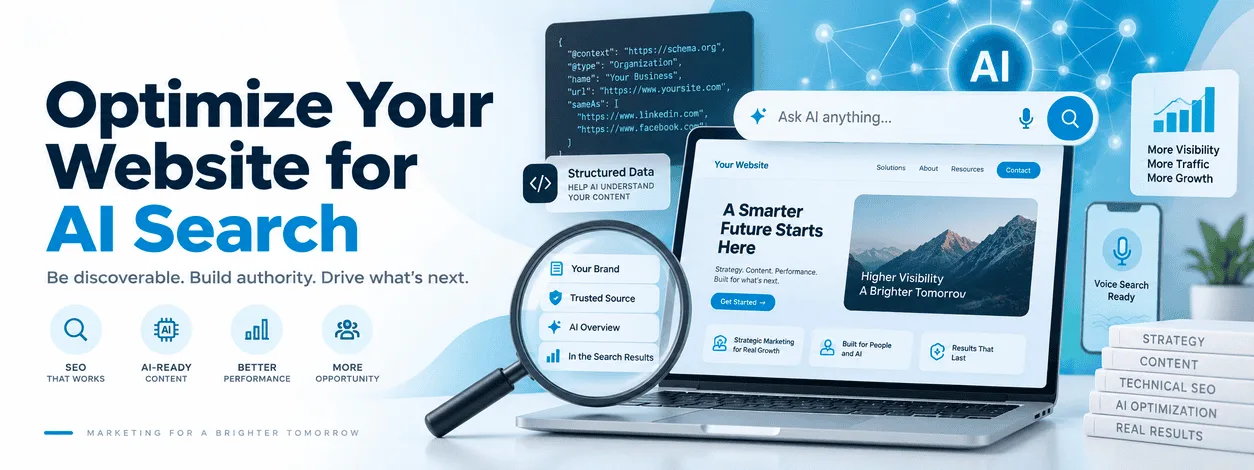
As technology continues to evolve, optimizing your website for AI-driven search is imperative. In this comprehensive guide, you’ll explore the strategies needed to enhance your online presence in the age of artificial intelligence. From understanding AI search mechanics to practical optimization tips, this guide is essential for marketers and businesses looking to stay ahead.
What you’ll learn: How AI impacts search; optimization techniques
Who this guide is for: Digital marketers, website owners, SEO professionals
Estimated reading time: 15 minutes
Table of Contents
Introduction to AI Search Optimization
Understanding AI Search
Creating Quality Content
Utilizing Structured Data
Enhancing User Experience
Mobile Friendliness
Voice Search Optimization
AI-Driven Analytics
Statistics Block
Frequently Asked Questions
Introduction to AI Search Optimization
The shift towards AI-driven search engines, such as Google’s RankBrain, presents both challenges and opportunities. Most struggle to keep up due to rapidly changing algorithms and the integration of machine learning into search rankings. According to a study, nearly 80% of marketers find it difficult to keep up with AI advancements in search. Embracing AI search optimization means adapting to these changes, enhancing the ability to reach the right audience efficiently.
Understanding AI Search
What is AI Search?
AI search refers to the use of artificial intelligence technologies like machine learning and natural language processing to improve search engine results. These algorithms analyze and understand search intent better than traditional methods.
Why It Matters
AI search matters because it enhances the relevance and accuracy of search results, thereby improving user satisfaction. Websites optimized for AI search can achieve higher visibility and engagement.
How To Do It
To leverage AI search, focus on creating content that meets user intent. Use structured data to help AI understand your content better and keep up-to-date with search engine algorithm updates.
Common Mistakes
One common mistake is neglecting to update content for relevance or using outdated SEO practices that don’t align with AI-driven algorithms.
Pro Tip
Stay ahead of the curve by regularly monitoring AI trends and integrating them into your SEO strategy.
Example
Google’s integration of BERT represents a significant advancement in understanding complex queries. Websites that embraced NLP and context-rich content saw improved rankings.
Creating Quality Content
Why It Matters
AI algorithms prioritize content that provides real value. High-quality content meets user needs, leading to higher engagement and improved rankings.
How To Do It
Conduct thorough keyword and search intent analysis. Create comprehensive, informative, and engaging content that answers common questions and solves problems.
Common Mistakes
Avoid keyword stuffing and focusing on quantity over quality.
Pro Tip
Incorporate multimedia elements like videos and infographics to enhance content richness.
Example
Blogs that incorporate comprehensive guides and case studies typically perform well in AI search due to their depth and practical value.
Utilizing Structured Data
Why It Matters
Structured data helps search engines understand the context of content more effectively, leading to better rankings and rich snippets in search results.
How To Do It
Use schema markup to tag important elements such as articles, products, and events. Implement JSON-LD for clarity.
Common Mistakes
Failure to keep structured data updated or using incorrect schema types can hurt search visibility.
Pro Tip
Regularly test your structured data for errors using Google’s Structured Data Testing Tool.
Example
Websites that consistently use correct schema markup see an increase in click-through rates and search appearance.
Enhancing User Experience
Why It Matters
User experience (UX) is crucial as AI evaluates site relevance based on user interaction metrics.
How To Do It
Improve site speed, ensure easy navigation, and deliver engaging, informative content.
Common Mistakes
Overlooking page load times and not optimizing for mobile users can deter visitors.
Pro Tip
Focus on user-centric design and periodically test your site’s UX with user feedback tools.
Example
Implementing responsive design and fast-loading pages resulted in lower bounce rates for many sites.
Mobile Friendliness
Why It Matters
With the rise of mobile searches, mobile-friendliness is a top ranking factor.
How To Do It
Ensure your website is responsive and loads quickly on mobile devices.
Common Mistakes
Neglecting mobile optimization can significantly harm website rankings and traffic.
Pro Tip
Utilize Google’s Mobile-Friendly Test tool to identify and fix issues.
Example
Sites optimized for mobile often experience increased traffic and engagement.
Voice Search Optimization
Why It Matters
Voice search is growing; optimizing for it can open new avenues for traffic.
How To Do It
Focus on long-tail keywords and conversational language to match natural speaking patterns.
Common Mistakes
Ignoring voice search trends can cause missed opportunities in capturing user queries.
Pro Tip
Create FAQs and optimize them for voice search to cater to query-based searches.
Example
Brands optimizing for voice search often report higher on-site visits from mobile users.
AI-Driven Analytics
Why It Matters
Analytics powered by AI provide deeper insights into user behavior and preferences.
How To Do It
Utilize AI analytics platforms to track and interpret complex data patterns on your website.
Common Mistakes
Failing to act on analytics insights leads to missed opportunities for improvement.
Pro Tip
Continuously learn and adapt based on AI analytics to refine your strategies.
Example
Companies using AI-driven analytics adapt quickly to changes in user behavior, leading to better conversion rates.
Statistics Block
StatisticSource79% of marketers find it challenging to keep up with AI developments in search.Search Engine Journal70% of websites that implement structured data see a notable increase in traffic.Moz Blog46% of all searches are now conducted using voice.WordStream57% of internet users say page load speeds influence their decision to stay on a site.Think with Google
Frequently Asked Questions
What is AI search optimization? AI search optimization is the process of refining web content to perform well in AI-enhanced search engines, focusing on user intent and semantic understanding.
How does structured data aid in AI search? Structured data provides clear signals to search engines about your site’s content, aiding in context understanding and improving visibility.
Why is mobile optimization crucial for AI search? Mobile optimization is crucial because a significant amount of searches are conducted on mobile devices, requiring sites to be accessible and responsive.
Is voice search really that important? Yes, as voice search usage increases, sites optimized for natural language queries capture more traffic and improve user engagement.
Need help with optimizing your website for AI search? Lewis Marketing helps businesses across the Midwest improve rankings, generate leads, and grow revenue. Schedule a free consultation today.